A New Educational Program is launched with the Support of the European Bank for Reconstruction and Development
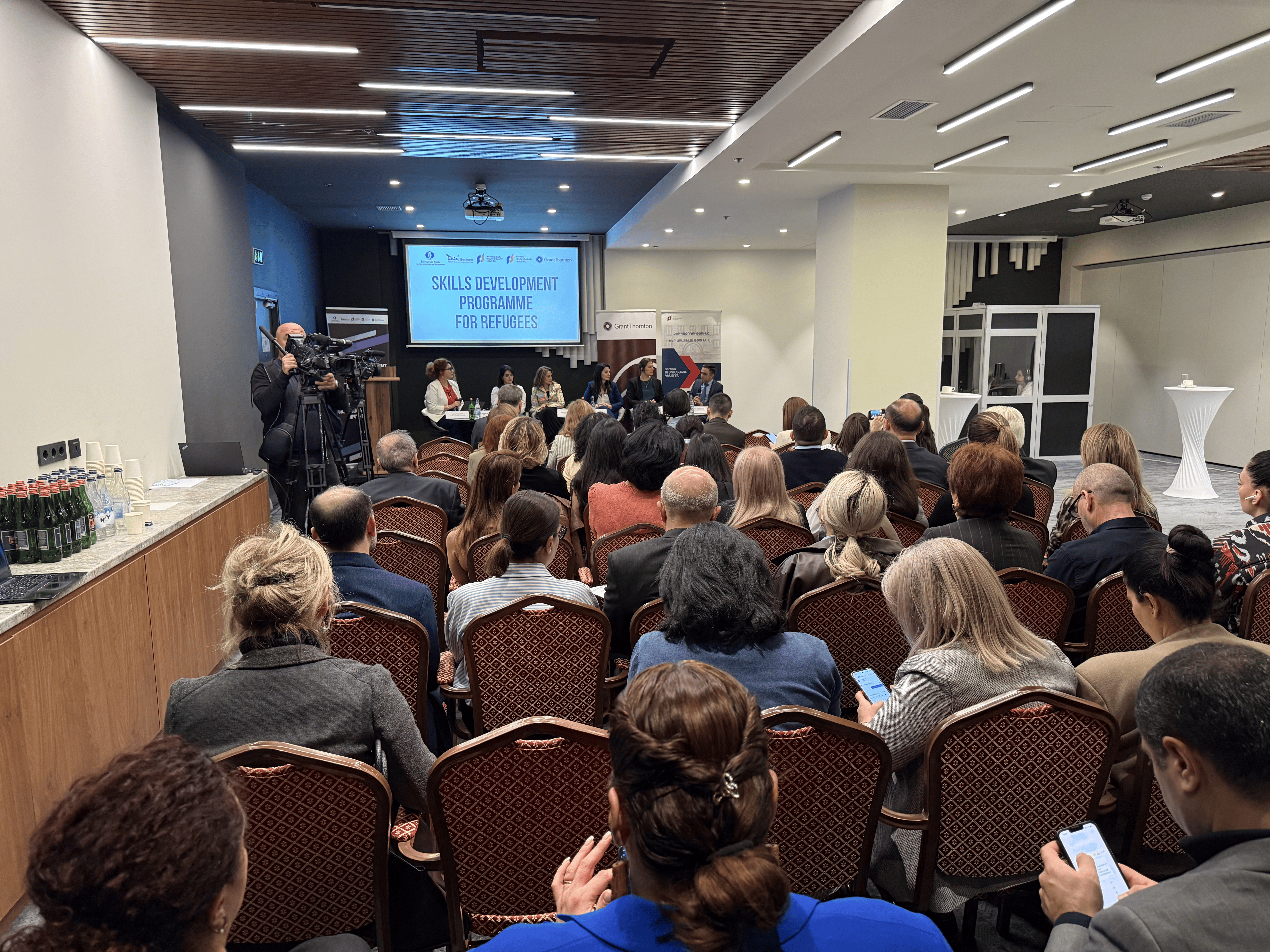
The RA SRC Training Center, in cooperation with the Armenian office of “Grant Thornton” and with the support of the European Bank for Reconstruction and Development (EBRD), is launching a new educational program, the aim of which is to support citizens and SRC employees displaced from Artsakh as a result of the 2023 conflict, in acquiring essential professional skills. Within the framework of the program, around 150 participants will have the opportunity to improve their English language proficiency and acquire digital skills.
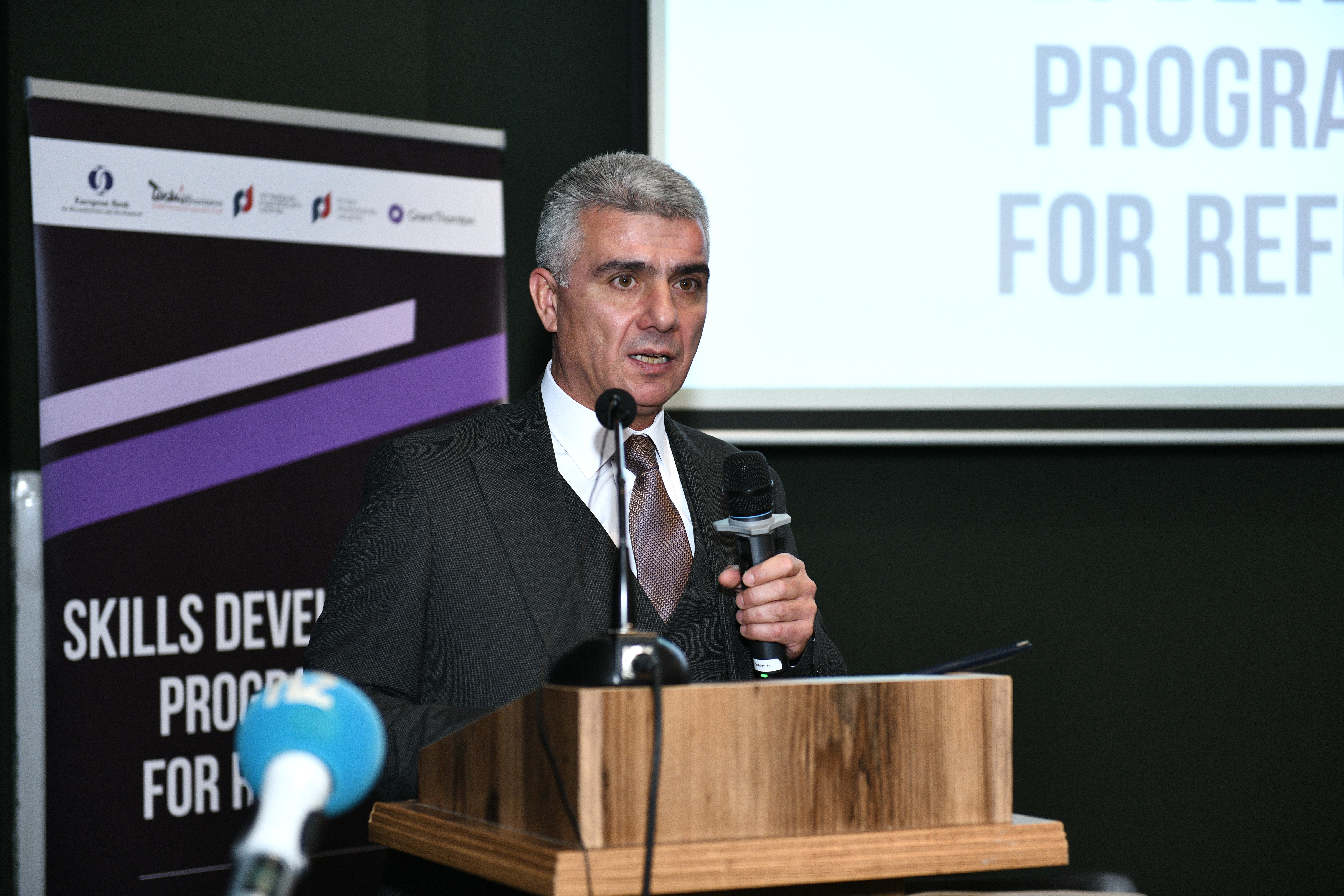
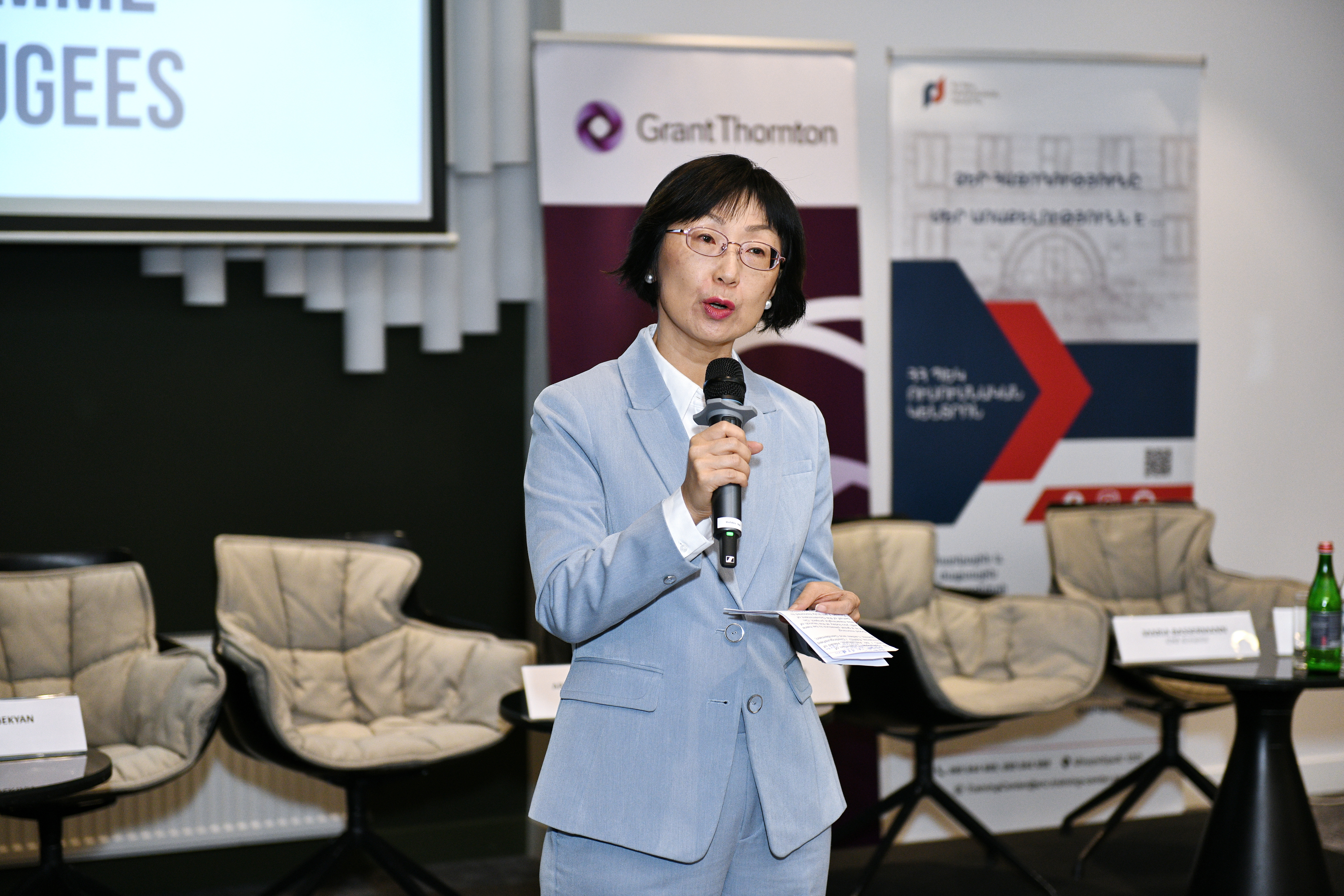
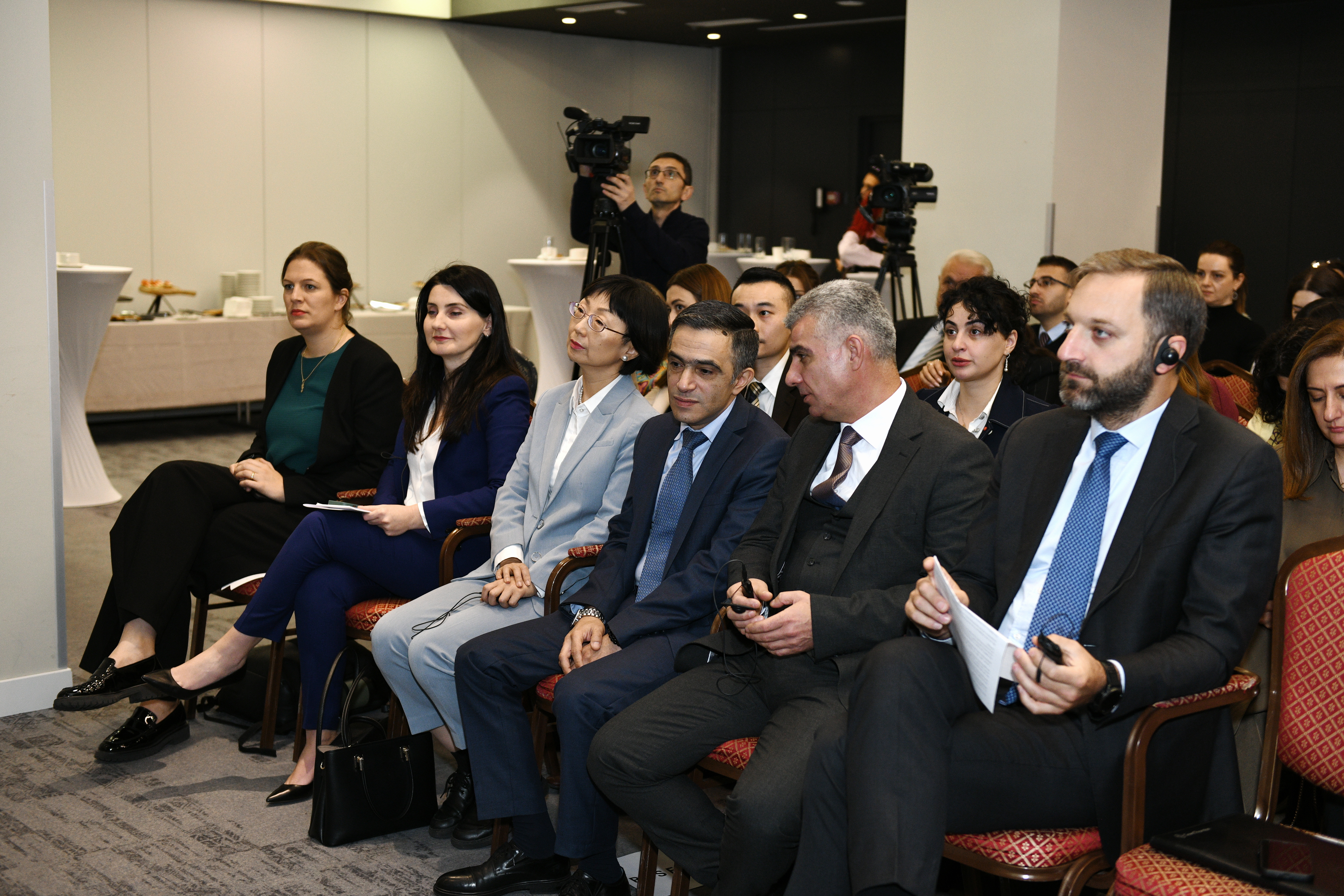
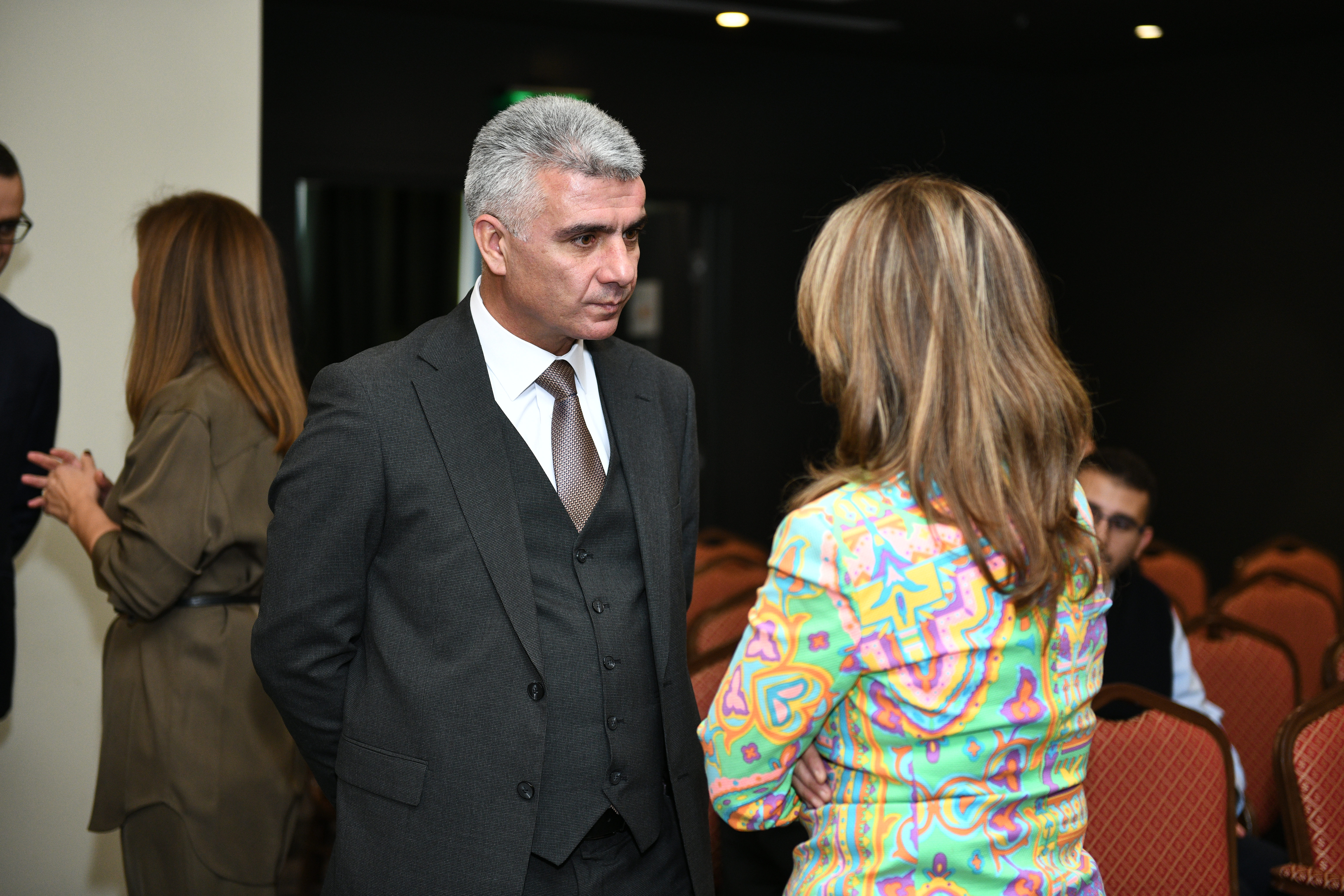
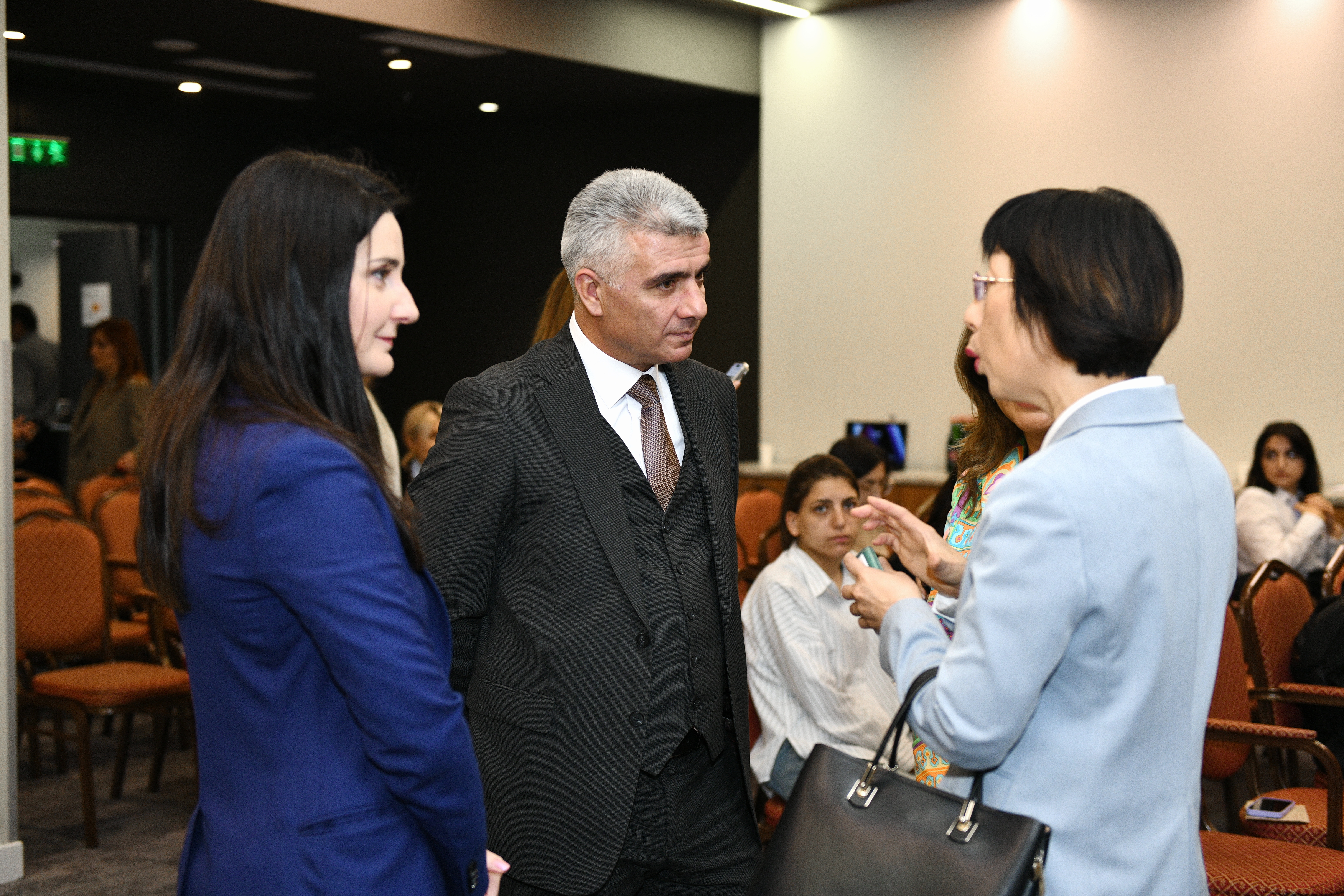
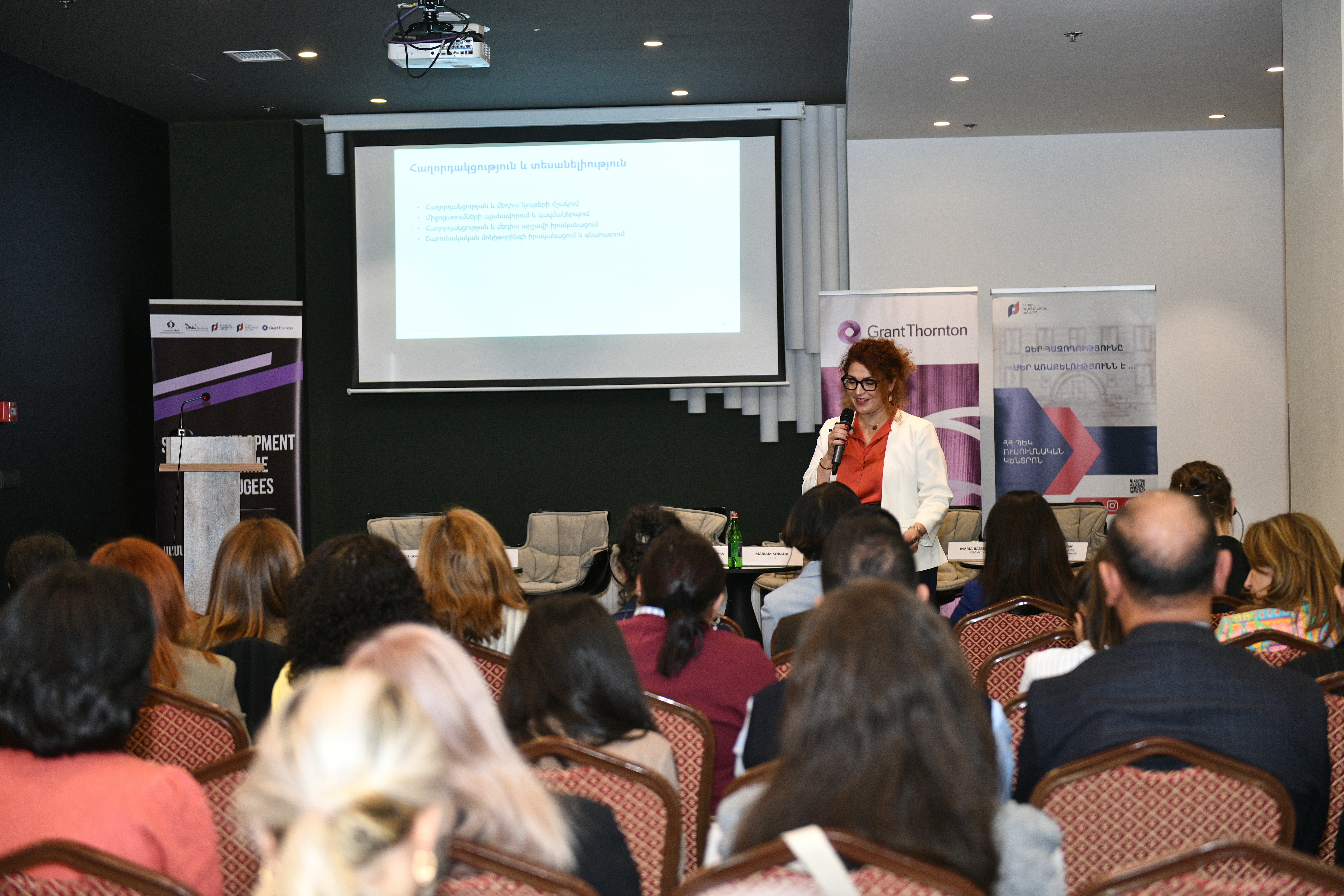
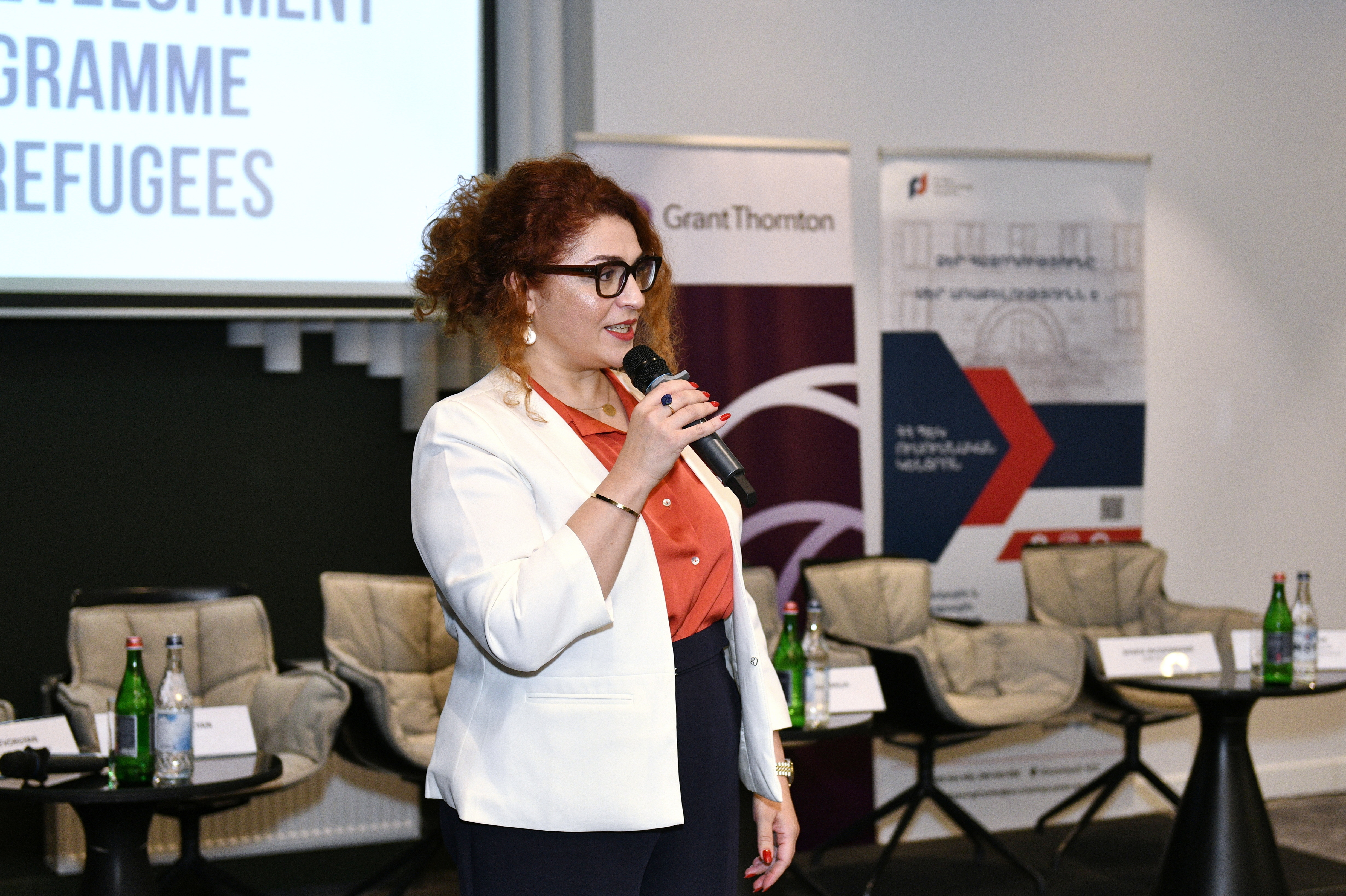
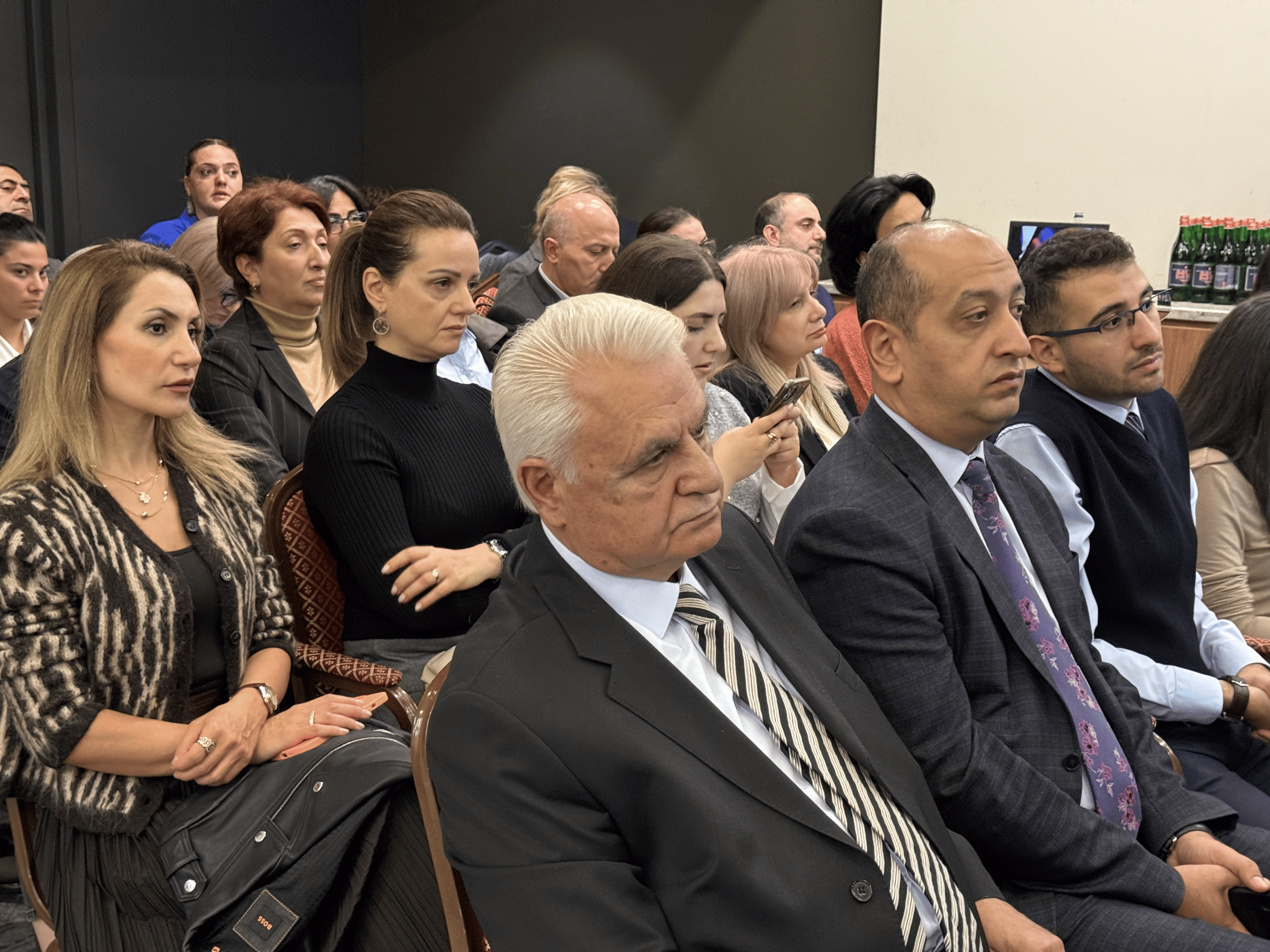
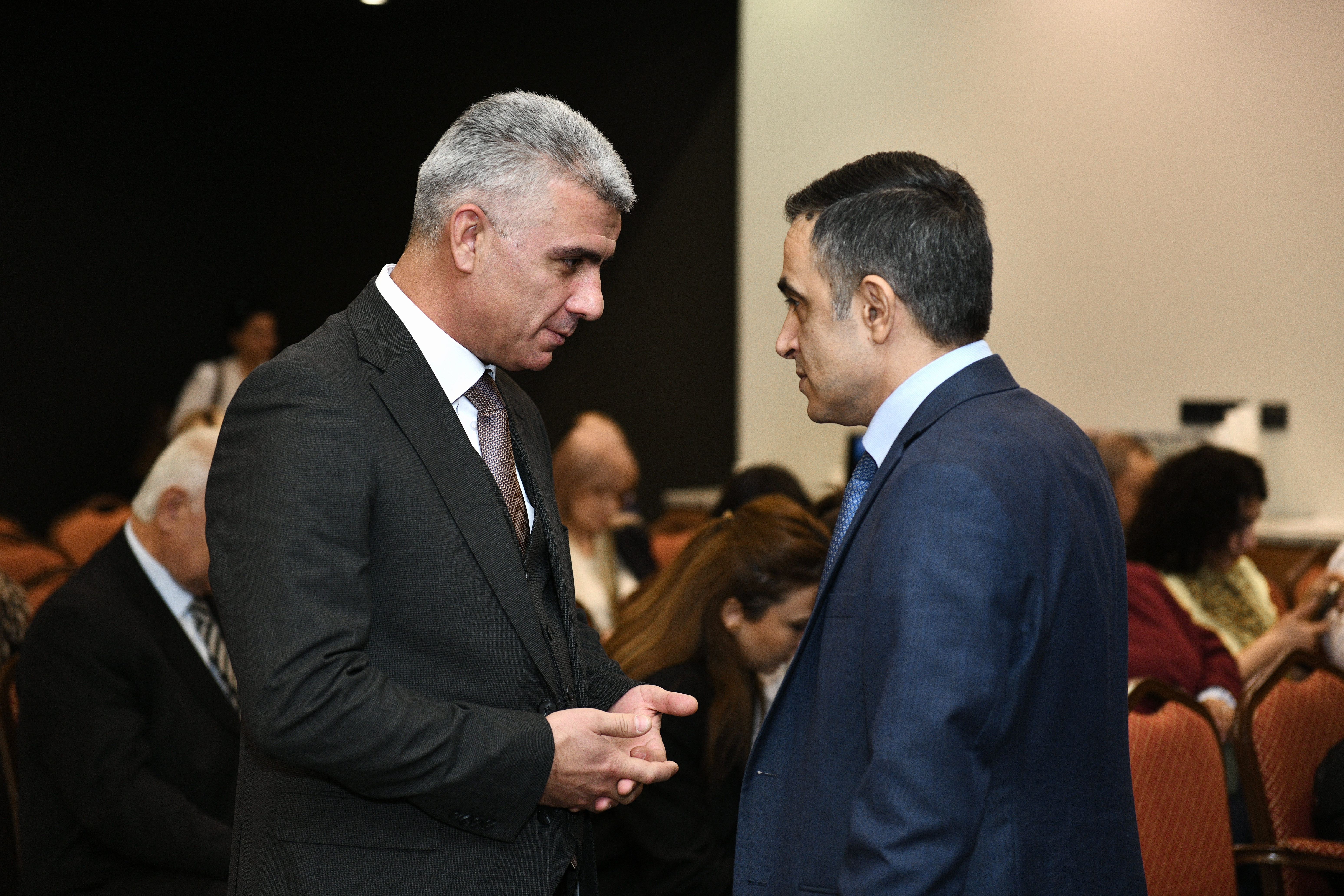
Today, the official launch event of the “Professional Skills Development Program for Displaced People” took place. The participants were welcomed by Vrezh Mkhitaryan, First Deputy Chairman of the RA SRC, George Akhalkatsi, Head of the EBRD Office in Armenia, Grace Chin-Ru LO, Representative of Taiwan in Moscow, and Ani Hakobyan, Partner at Grant Thornton Armenia.
The First Deputy Chairman of the RA SRC, Vrezh Mkhitaryan, emphasized the importance of the program’s launch and highlighted the role of the RA SRC Training Center in ensuring the continuous professional development of SRC employees and partners. “We believe that the development of human capital is one of the key pillars of modernizing state administration. Through this initiative, we invest not only in strengthening professional capacities but also in forming a culture of cooperation, mutual support, and inclusiveness.”
According to George Akhalkatsi, Head of the EBRD Office in Armenia, the program reflects one of the bank’s strategic approaches aimed at ensuring the effective integration of refugees into the local labor market. “The main objective of the initiative is to support refugees in maintaining and improving their well-being. The specialized training provided is aligned with the requirements of employers and the labor market, contributing to the growth of their employment levels and skills."
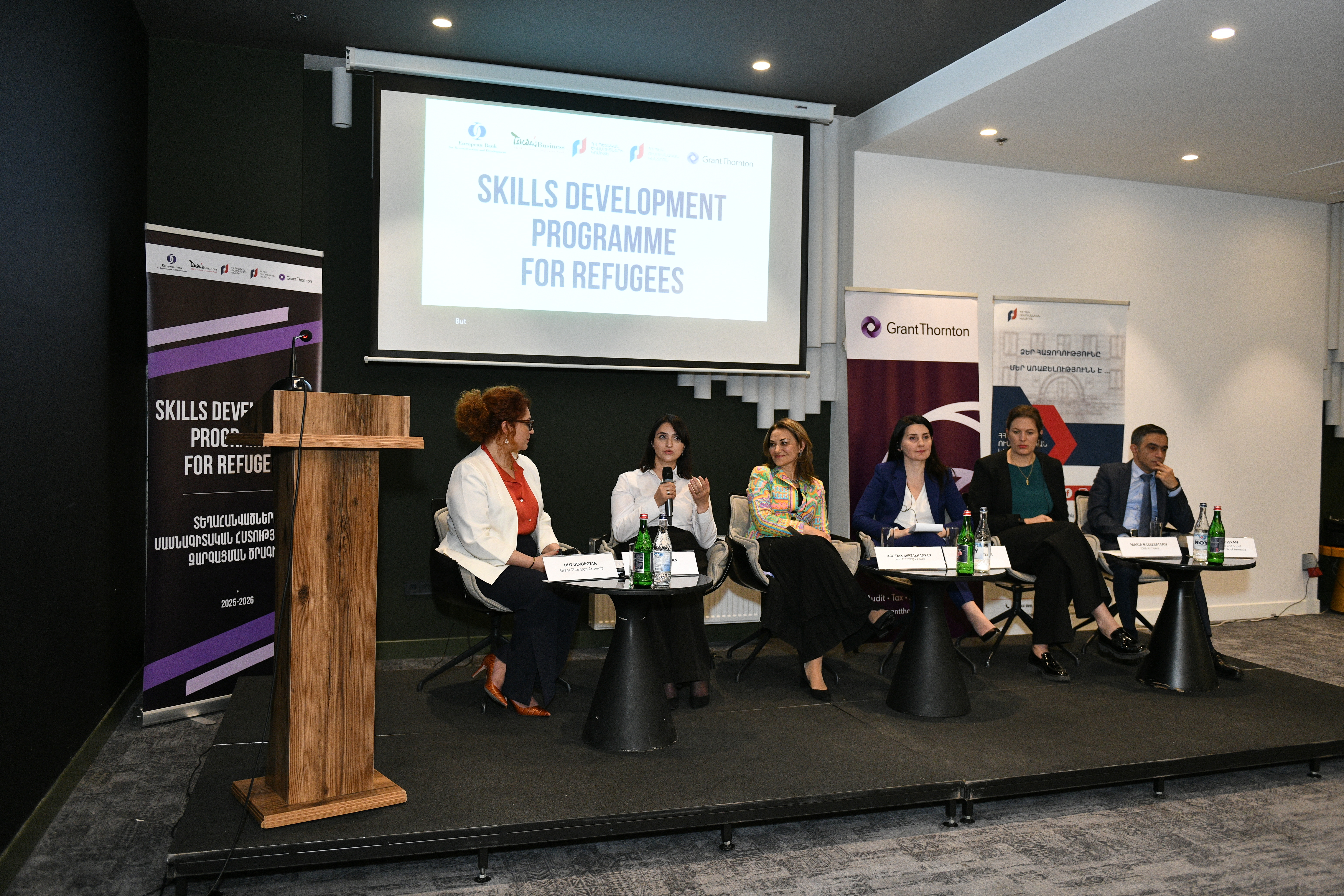
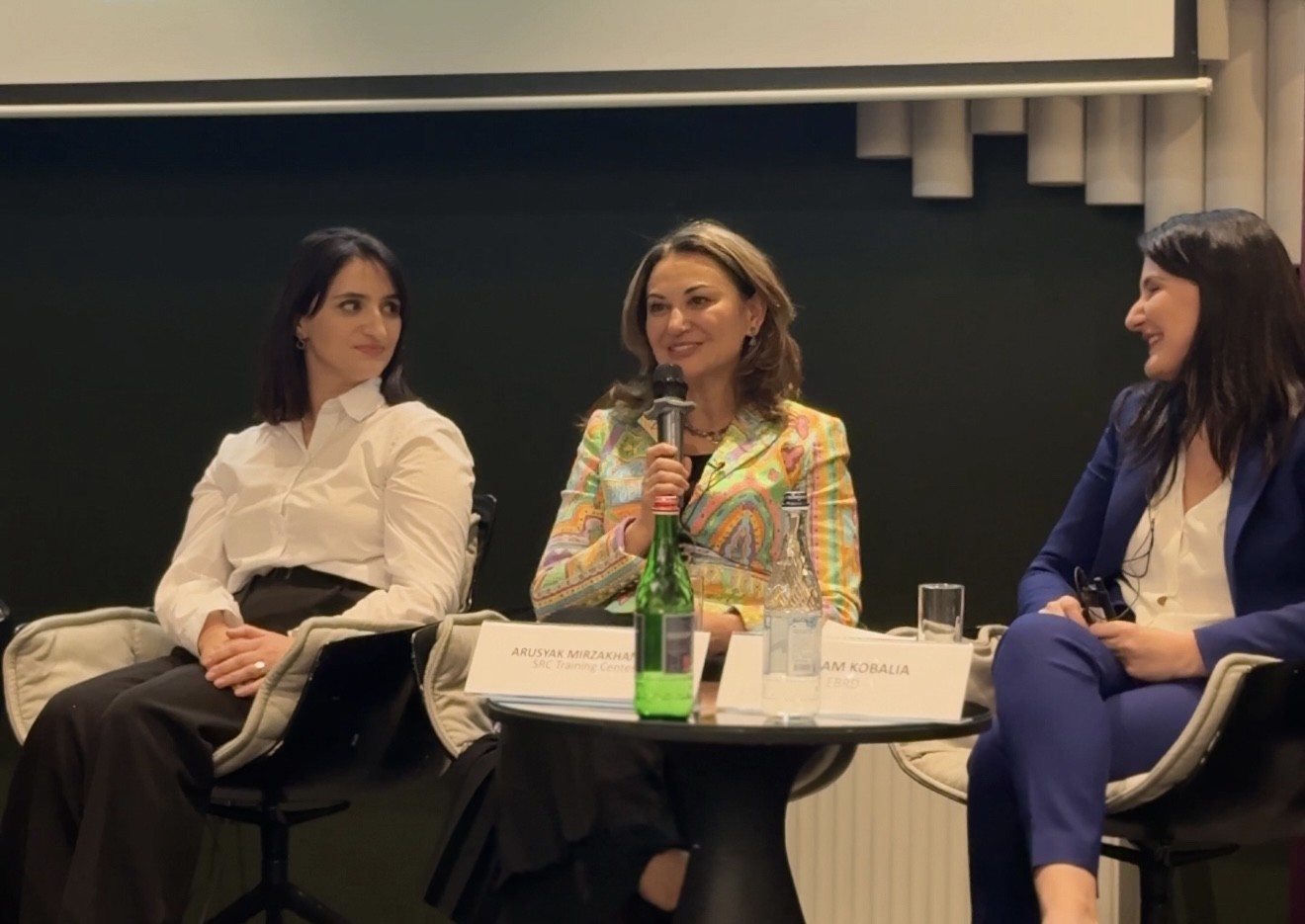
During the panel discussion, Arusyak Mirzakhanyan, Director of the RA SRC Training Center, spoke about the objectives, processes, and significance of the program. “When a donor, an employer, and the state unite around an initiative, we need to talk and act not only to create jobs, but also to shape the future. In the case of this initiative, our main challenge was not to view inclusiveness as an obstacle, but as a strength, and it was with this mindset that we moved forward. Yes, there were cultural, psychological, social and other challenges, but we focused on education, convinced that by providing education we can revalue people’s existing skills or transfer new ones. Our assessment of the needs of Artsakh Armenians showed that they have great potential, and we set a goal to fill the gaps, especially in the areas of language and digital skills."
Lilit Aghikyan, Chief Specialist of the Administrative Offenses Division of the Legal Department of the RA SRC, emphasized: “When entering the labor market, it is important to first understand the employer’s requirements and present your own skills accordingly. At the same time, employers should provide strong mentorship for newcomers, supporting them adapt to the work environment and become more effective.”
In the final part of the event, Lilit Gevorgyan, Head of HR Advisory Services at "Grant Thornton Armenia," presented the structure and phases of the program, highlighting the importance of ensuring accountability and high efficiency in its implementation.